If you are a Windows systems administrator or manage a company’s IT infrastructure, stop what you are doing and read this. Microsoft has just issued a security alert of the highest severity, requiring an “out-of-band” update (outside the normal cycle) for Windows Server Update Services (WSUS).
The reason? A critical security flaw, tracked as CVE-2025-59287, is being actively exploited by attackers right now.
What is the CVE-2025-59287 Flaw in WSUS?
This is not a common vulnerability. The National Vulnerability Database (NVD) has assigned it a CVSS severity score of 9.8 (Critical). This is the closest a flaw can get to the maximum score (10.0).

To understand the risk, think of your WSUS server as the “brain” for your company’s patch and update distribution. It is the central system that all your computers and servers trust to receive legitimate security updates from Microsoft.
The CVE-2025-59287 flaw is a Remote Code Execution (RCE) vulnerability that, alarmingly, requires no authentication. This means an attacker can exploit it over the network without needing a username or password.
Why is This Vulnerability So Dangerous?
If the “brain” (the WSUS) is compromised, the attacker gains full control of your update process. Instead of distributing security, the WSUS begins to distribute malware.
The risks of a successful attack include:
- Total Server Control: The attacker can take full control of the WSUS server.
- Large-Scale Malware Distribution: The attacker can use WSUS to send ransomware, spyware, or any other type of malware to all computers and servers on your network, disguised as an official and legitimate Microsoft update.
- Internal “Supply Chain” Attack: This is the worst-case scenario. The attacker doesn’t need to invade machine by machine; they poison the “source” (WSUS) and watch the entire network infect itself automatically. It is a devastating supply chain attack, but one that occurs inside your own network.
Immediate Action: Update Your WSUS Server Now
The urgency of this update cannot be overstated. The U.S. Cybersecurity and Infrastructure Security Agency (CISA) has already added the CVE-2025-59287 flaw to its “Known Exploited Vulnerabilities” (KEV) catalog, confirming that attackers are already actively using this gap.
Microsoft has already released the emergency patch. The recommendation is clear:
👉 Do not wait! Applying this patch must be treated as the highest priority by your IT team.
Official Microsoft Source
For technical details, specific KBs, and the download links for the patch for your Windows Server version, consult the official Microsoft security guide.
- Microsoft Security Update Guide (MSRC): https://msrc.microsoft.com/update-guide/vulnerability/CVE-2025-59287

Juliana Mascarenhas
Data Scientist and Master in Computer Modeling by LNCC.
Computer Engineer
How to Configure OSPF in Packet Tracer (Step-by-Step)
Static Routing in Packet Tracer: Connecting 2 Networks

How to Configure Docker to Run Behind a Proxy
In corporate environments, it is very common for servers to lack direct internet access. All…
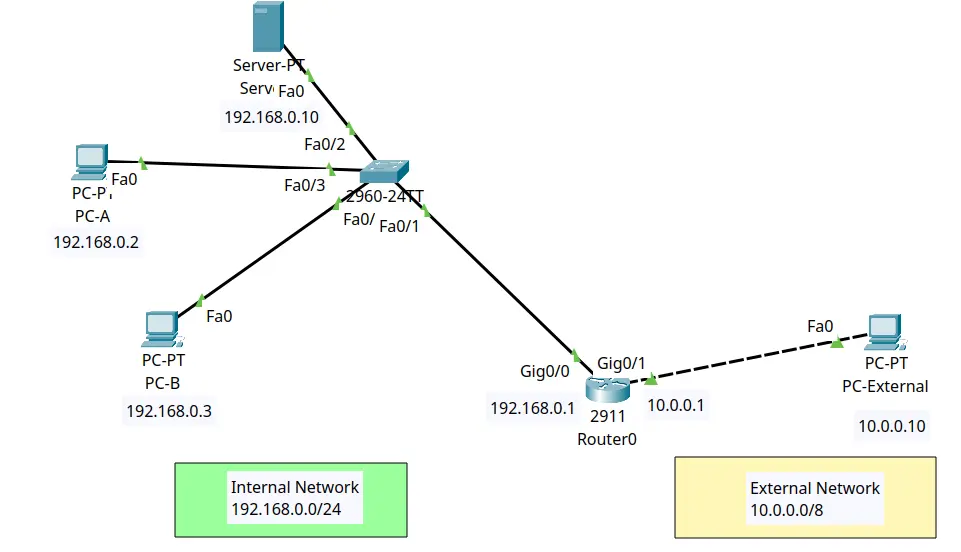
Tutorial: Using Port Forwarding in Packet Tracer
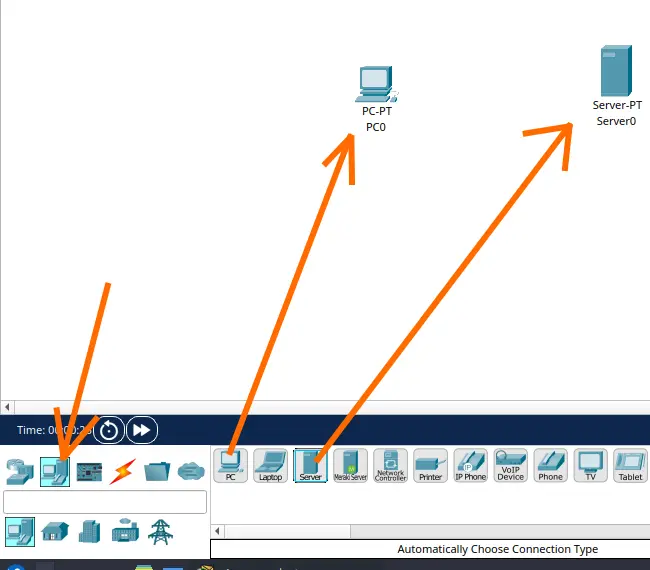
Tutorial: Web Server in Packet Tracer (Client-Server)